|
5
min read
Every year we say “this is the year everything changes.” And every year… it kind of does, but also kind of doesn’t. The tools shift, the language evolves, but the core truth stays the same - people just want to feel something.
What is changing is how we get there. The styles are stretching, the rules are loosening, AI is here, and the work that stands out is getting a little braver, a little messier, and a lot more human.
As someone who keeps a keen eye on what's happening on our front doorstep, as well as overseas, here’s what I can see is bubbling up for 2026.
Imperfect Is Interesting
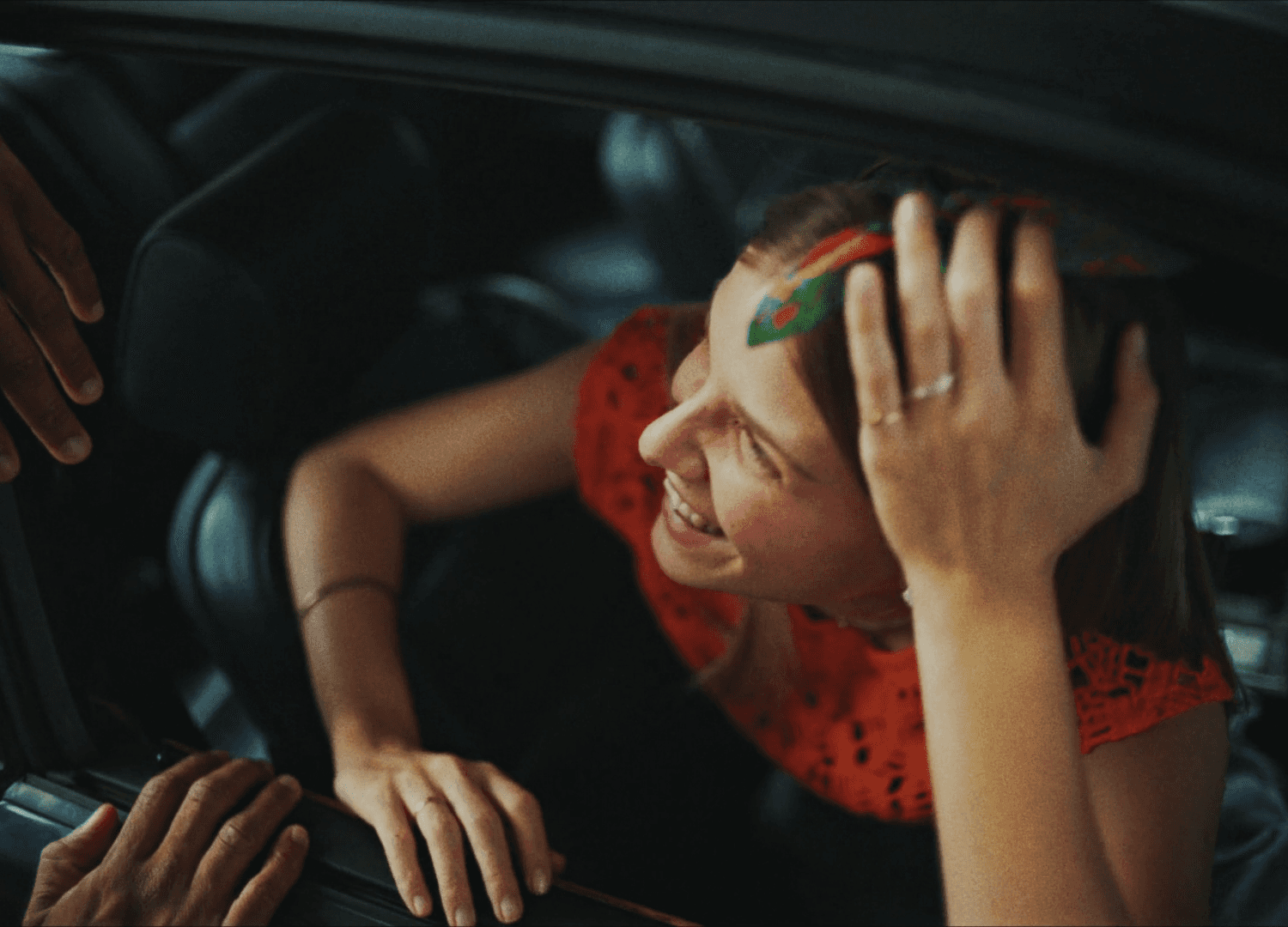
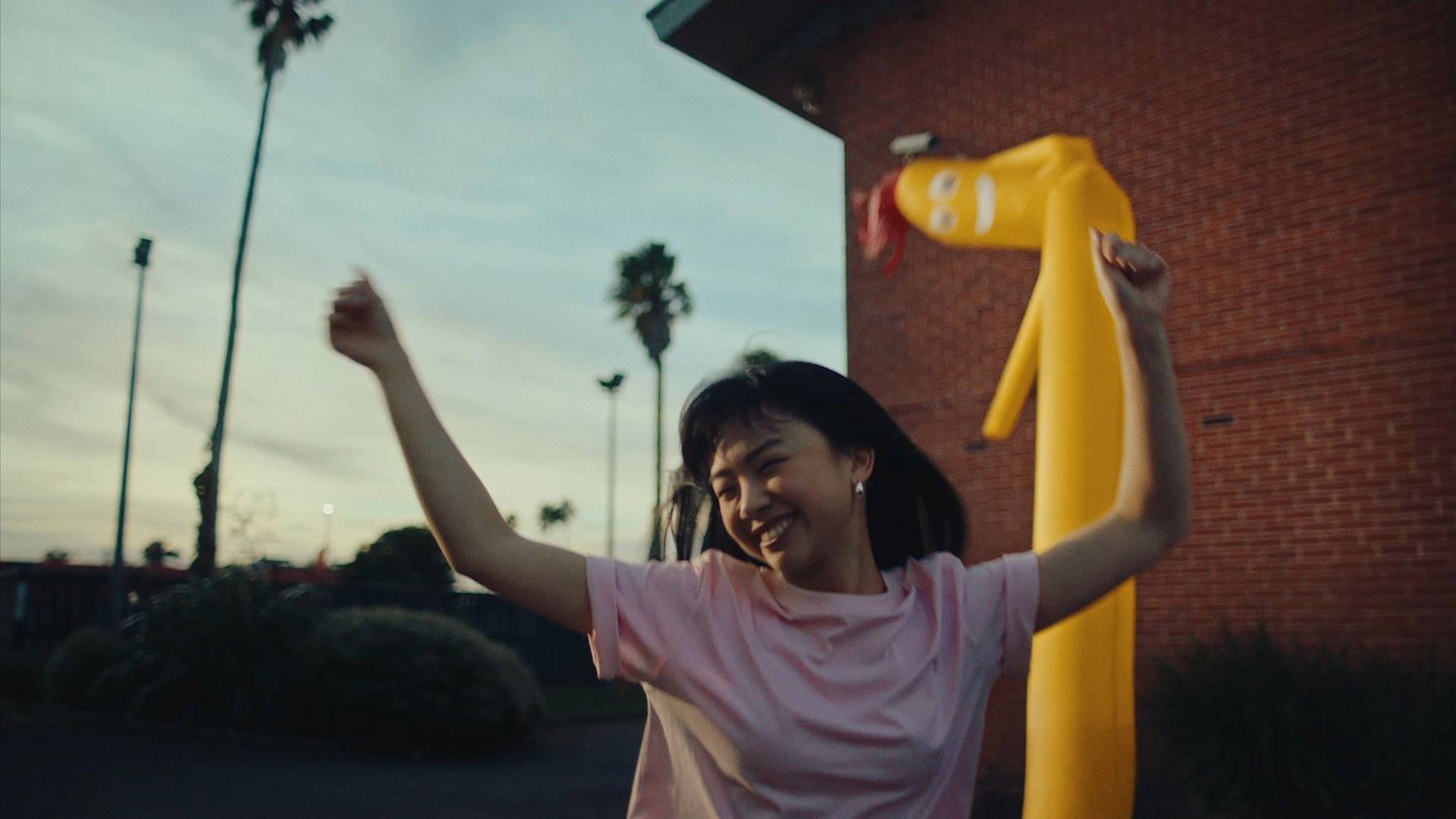
Glossy perfection is taking a small step back. A more documentary-style honesty is stepping forward, often mixed with analogue, film-inspired aesthetics. Handheld cameras, natural performances, imperfect lighting, film grain, light leaks, slower shutter moments, and colour palettes that feel lifted from another decade.
It’s less about slapping a retro filter on something and more about texture and authenticity. Audiences trust this style because it feels real, even when it’s carefully constructed. It reads as human rather than manufactured.
There’s comfort in softness. In imperfections. In visuals that feel touched rather than rendered. Not everything needs to be ultra-sharp, ultra-clean, ultra-digital. Sometimes a bit of roughness carries more emotion than technical perfection ever could.
Keep The Message Simple
There’s a recurring temptation to load an ad with every possible selling point. Features, benefits, disclaimers, sub-messages, side messages, messages about the message. And to be fair - it comes from a good place. When you’ve invested time and money into something, it’s completely natural to want to squeeze every ounce of value out of those seconds.
The challenge is remembering how people actually watch ads. Most viewers aren’t sitting upright analysing each frame. They’re half-watching while scrolling, eating, chatting, or thinking about what they forgot at the supermarket. The client has seen the edit two hundred times. The audience is seeing it once, maybe.
More points don’t make an ad stronger. They usually make it harder to remember. The best commercial work tends to have one clear idea, delivered confidently. Not three ideas nervously apologising for each other. If someone only absorbs 40 percent of what’s on screen, that 40 percent should still land cleanly.
Stop Overthinking It
There’s some great momentum right now, especially with New Zealand brands getting bolder. But overthinking still sneaks in, and it usually shows up in tiny decisions that slowly sand off all the interesting edges.
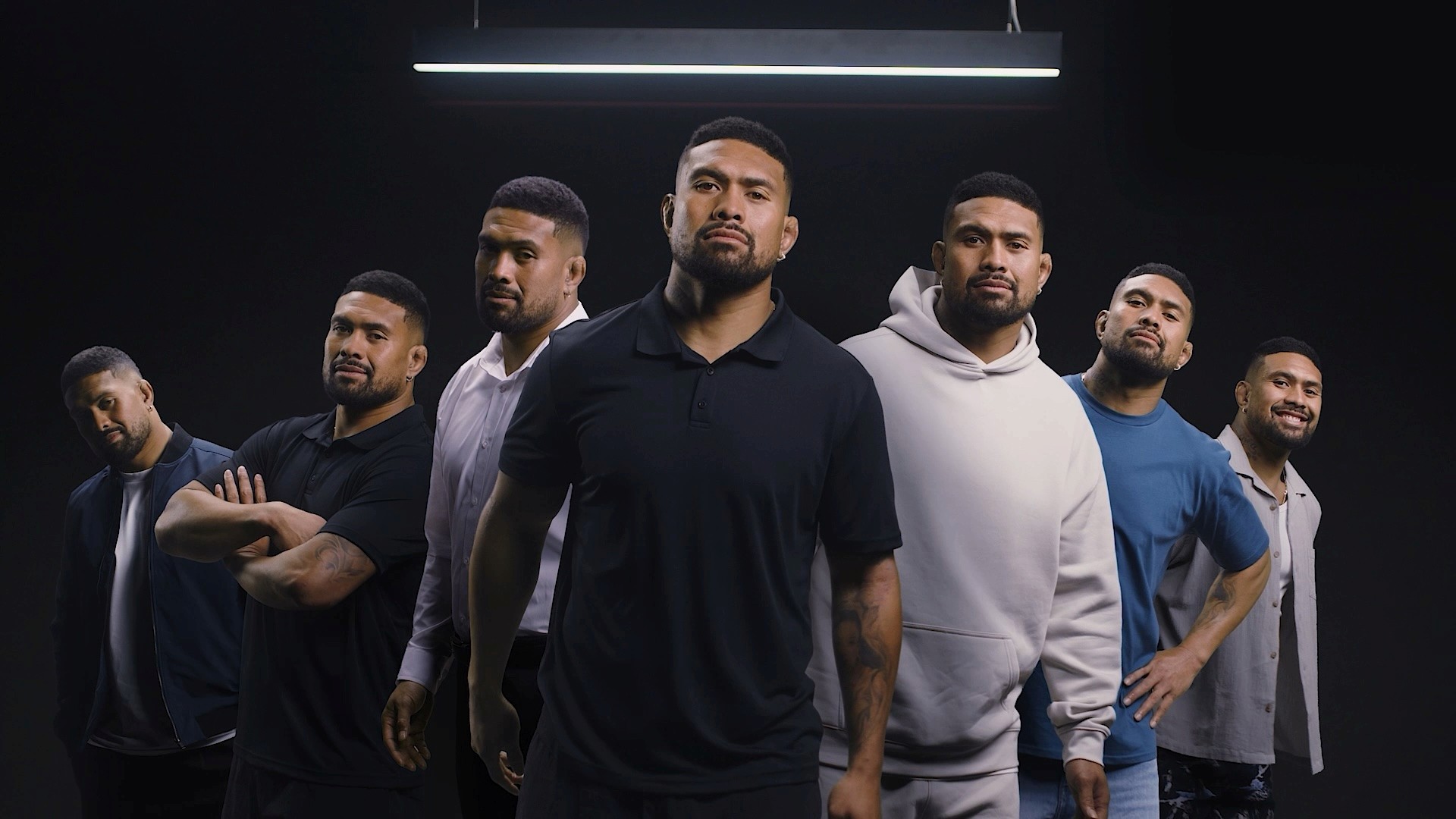
Not every set needs to be perfectly colour-coordinated. Sometimes the slightly messy desk, the weird object in the background, or the mismatched chair is the thing that makes a frame feel real instead of staged. Not every wardrobe needs to be pristine. Not every location needs to be spotless. Life isn’t spotless.
And more broadly - stop making everything safe. We’re surrounded by content that’s starting to look suspiciously similar. Same lighting, same pacing, same polished neutrality. The brands and films that cut through are usually the ones willing to step just a little outside that lane. Not reckless, just distinctive.
You don’t need to be outrageous. You just need to avoid being forgettable.
What's going on with AI anyway?
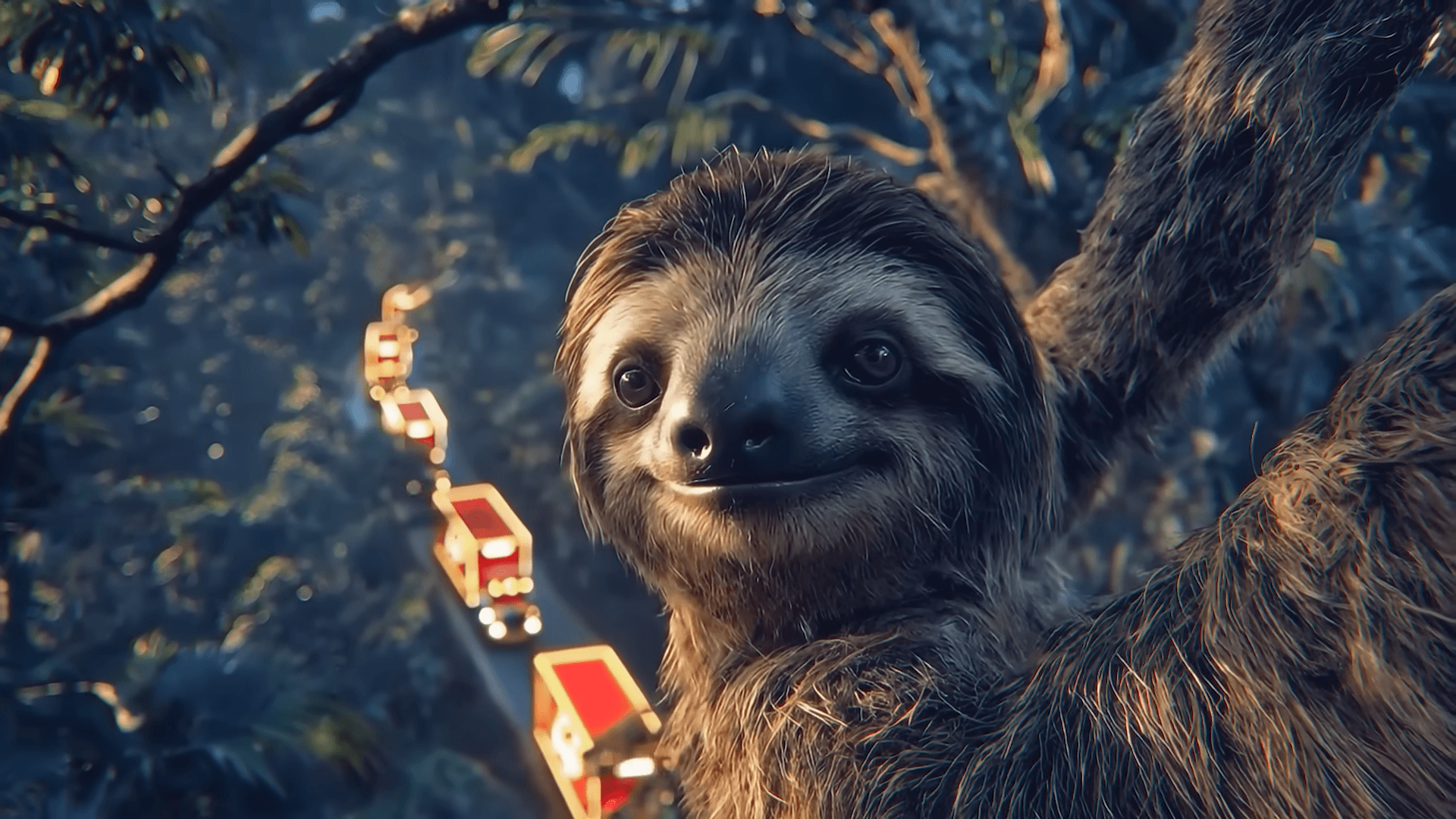
When it comes to anything creative, this is the hot button topic. Some brands are going all in, some are loudly going “absolutely not,” and most are somewhere in the middle “exploring the possibilities.”
There’s definitely experimentation happening. You’ll see AI-generated visuals, scripts, edits, and the occasional uncanny human that looks almost right but not quite.
The pushback is real too. Audiences are getting sharper at spotting it, and brands are realising that just because you can doesn’t mean you should. AI isn’t disappearing, but it’s also not replacing taste, judgement, or a good director.
The Human Counterpunch - Tactile and Imperfect
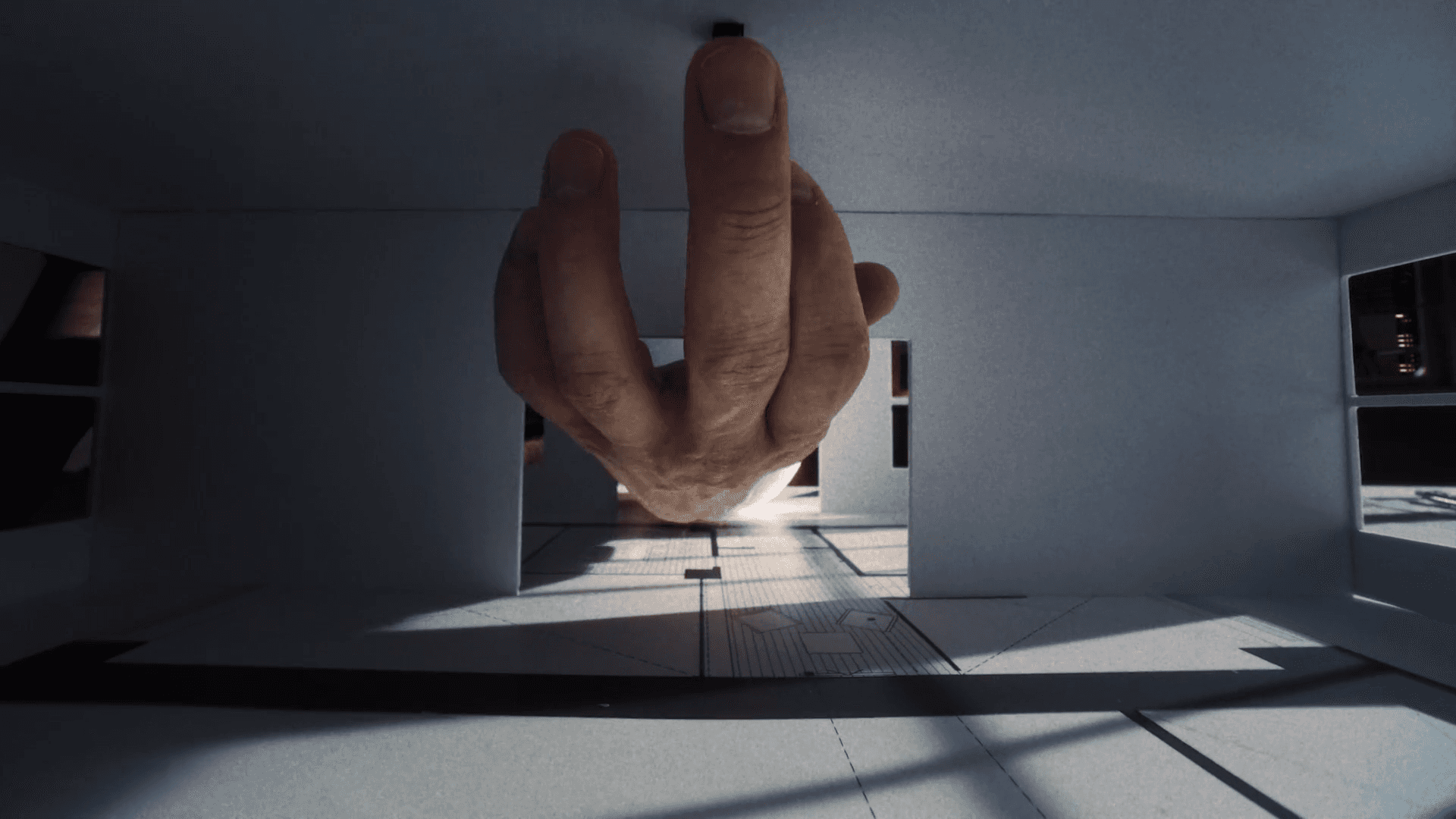
For every brand leaning into AI, another is leaning hard in the opposite direction. Real textures, real film grain, real hands touching real objects. The kind of visuals you could almost reach through the screen and feel.
There’s a growing love for analogue aesthetics - film burns, light leaks, imperfect focus, slightly messy colour. Even typography is shifting. Big brands are quietly moving away from hyper-clean tech minimalism and exploring warmer, more character-filled typefaces and design systems.
It’s less “we are a futuristic platform” and more “we are a thing made by humans, for humans.” Funny how that cycles back around.
Chaos With Intent
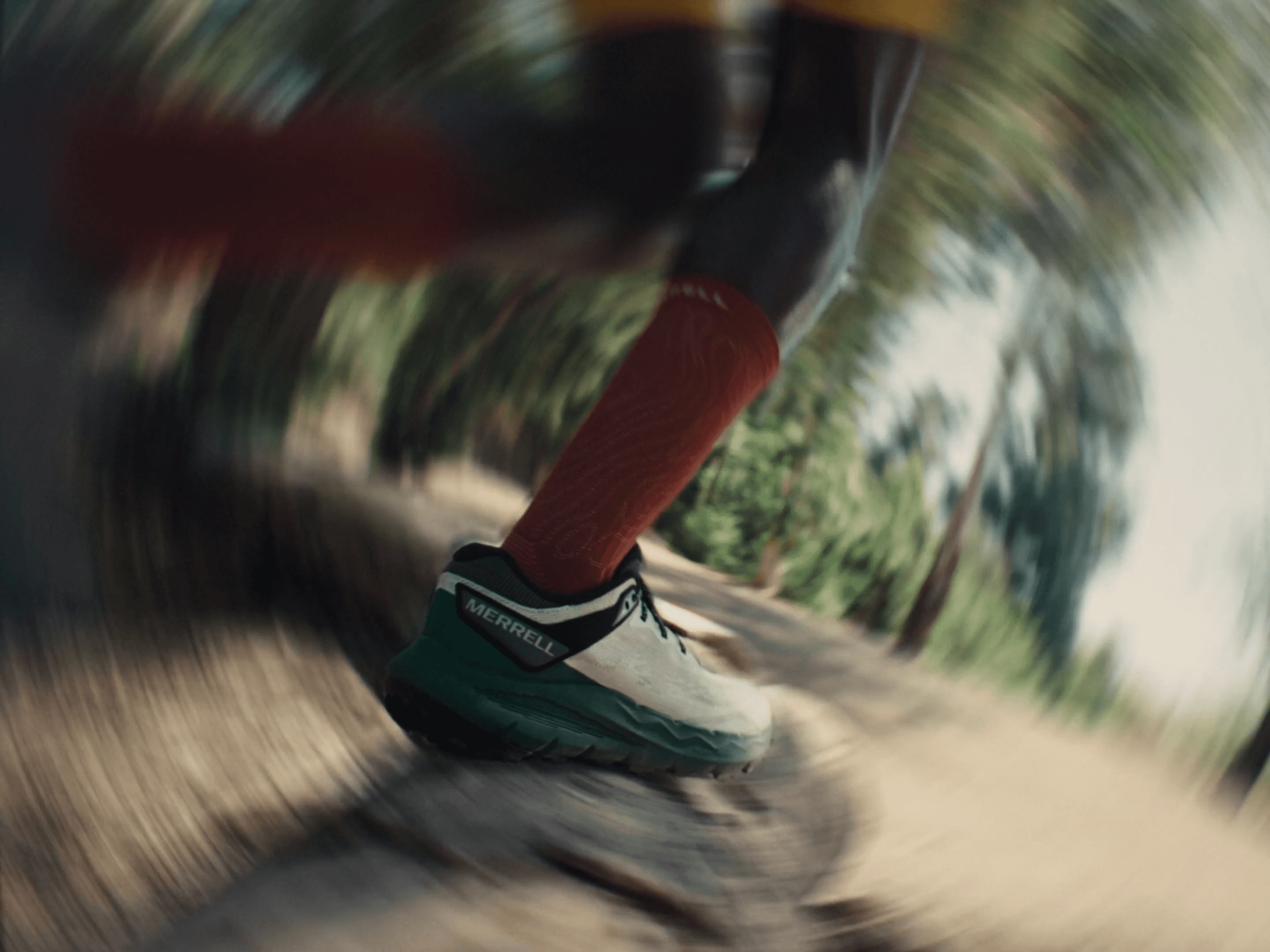
High-energy edits. Overlapping dialogue. Multiple audio tracks competing in a controlled way. Montages that feel slightly unhinged but still purposeful.
The key word is intent. Random chaos is just noise. Intentional chaos feels alive. Think layered storytelling, rapid cuts, strange juxtapositions, and the occasional “wait, what just happened?” moment that makes people lean forward instead of switch off.
Commercials are allowed to be weird. In fact, weird is often what people remember. The trick isn’t to confuse people, it’s to surprise them in a way that still lands emotionally.
The Throughline
The big theme heading into 2026 isn’t just technology or nostalgia or editing styles. It’s confidence. Confidence to keep things simple. Confidence to let a frame be imperfect. Confidence to try a strange idea and not immediately sand it down.
The brands and filmmakers who stand out aren’t the ones chasing every trend. They’re the ones choosing a direction and committing to it properly.
And ideally having a bit of fun along the way.
Calvin Sang is a commercial /narrative director and the Creative Director/Founder of Eyes and Ears.