|
3
min read
Commercials are one of the shortest forms of storytelling there is.
Not the shortest, obviously. We are not out here pretending a 30 or 15 second spot is somehow smaller than a six second pre roll or a cursed little Vine from back in the day. But in the wider world of storytelling, commercials are living on an incredibly strict diet.
Films get hours.
TV gets seasons.
Video games can take over someone’s life (mainly mine) for 80 hours.
Albums can build a whole emotional world over 12 tracks.
Music videos get to lean on the power of the song doing half the heavy lifting for them.
Commercials?
We get seconds.
And in those seconds, we are somehow meant to grab attention, sell something, create a feeling, communicate a message, make something memorable and ideally not make people want to throw their remote through the wall. That is the challenge.
Why the Pressure Works
And honestly, that is also why I love them.
Because while people love to treat ads like some annoying little interruption, the good ones are an insane creative exercise to make. There is nowhere to hide. No warmup. No slow burn. No indulgent middle section where everyone stares out a rainy window thinking about their childhood. You are straight into it.
You have a tiny window to make someone feel something, anything.
That feeling might be excitement. Trust. Curiosity. Hunger. Nostalgia. Jealousy. Reassurance. It might just be a tiny internal shift where someone goes, oh, that’s quite good. That still counts.
I think that is what people often miss when they talk about advertising.
Yes, there is messaging, there are products, there are probably too many meetings and not enough biscuits. But at its best, advertising is compressed storytelling. It is filmmaking with the pressure turned right up. Every frame has to earn its place, seconds matters, choices are doing work.
You are telling a story with the clock actively fighting you.
And weirdly, short form storytelling has never been more normalised. Vine proved years ago that people could enjoy a complete idea in seconds. Some of those little seven second videos had a clearer setup, payoff and tone than full length comedies. Now we live in the era of pre rolls, TikToks, reels, cutdowns, bumpers and all the other tiny rectangles battling for attention.
You could argue some of today’s ads are the shortest form of entertainment going.
Earn the Watch
Nobody wakes up hoping to watch an ad. That means the work must earn its attention immediately. It must feel like something worth watching rather than something standing in the way of the thing you came for.
That is where the craft comes in.
When the runtime is tiny, the margin for error disappears. You cannot be vague. You cannot be bloated. You cannot spend 20 seconds setting up a joke and then realise you forgot to mention the brand. You need clarity, rhythm, tone and purpose almost instantly.
That does not mean every short ad needs a massive narrative arc either. Most of the time, the goal is simpler than that.
Not every ad is trying to tell some perfect little story. Some are literally just there to remind you of the brand name. That is the whole job. A quick little, oi, we still exist.
And fair enough. Sometimes that is all advertising needs to do. Stay present. Stay familiar. Find a place in your head until the day you need that product and, for some reason, their product or logo is the one you remember.
If you are working purely in short form, you are often not trying to make people fall in love with some fully built cinematic universe. You are trying to make them feel something. Or understand something. Or walk away with a clearer sense of what the brand is and why it matters. That is enough.
A lot of the best commercial work fails because it tried to tell some giant sweeping story. At their best 30” succeeds because it landed a feeling with precision. It made you laugh. It made you lean in. It made the brand feel sharp, human, clever or desirable. It left an impression that was bigger than the runtime.
Where the Craft Lives
And from a directing point of view, that is what makes the whole thing so fun. You are constantly solving a puzzle. How quickly can we establish tone? How little can we say without losing meaning? What is the fastest route to the feeling? What visual does the work immediately? What performance sells it in half a glance? Does logic really matter?
It is not about making things smaller. It is about making them denser.
Good commercials are concentrated. They are all killer, no filler. Or at least that is the dream before the legal supers arrive and start eating the frame.
So yes, commercials are short. Ridiculously short sometimes. But that does not make them lesser.
If anything, it makes them one of the most demanding forms of storytelling out there.
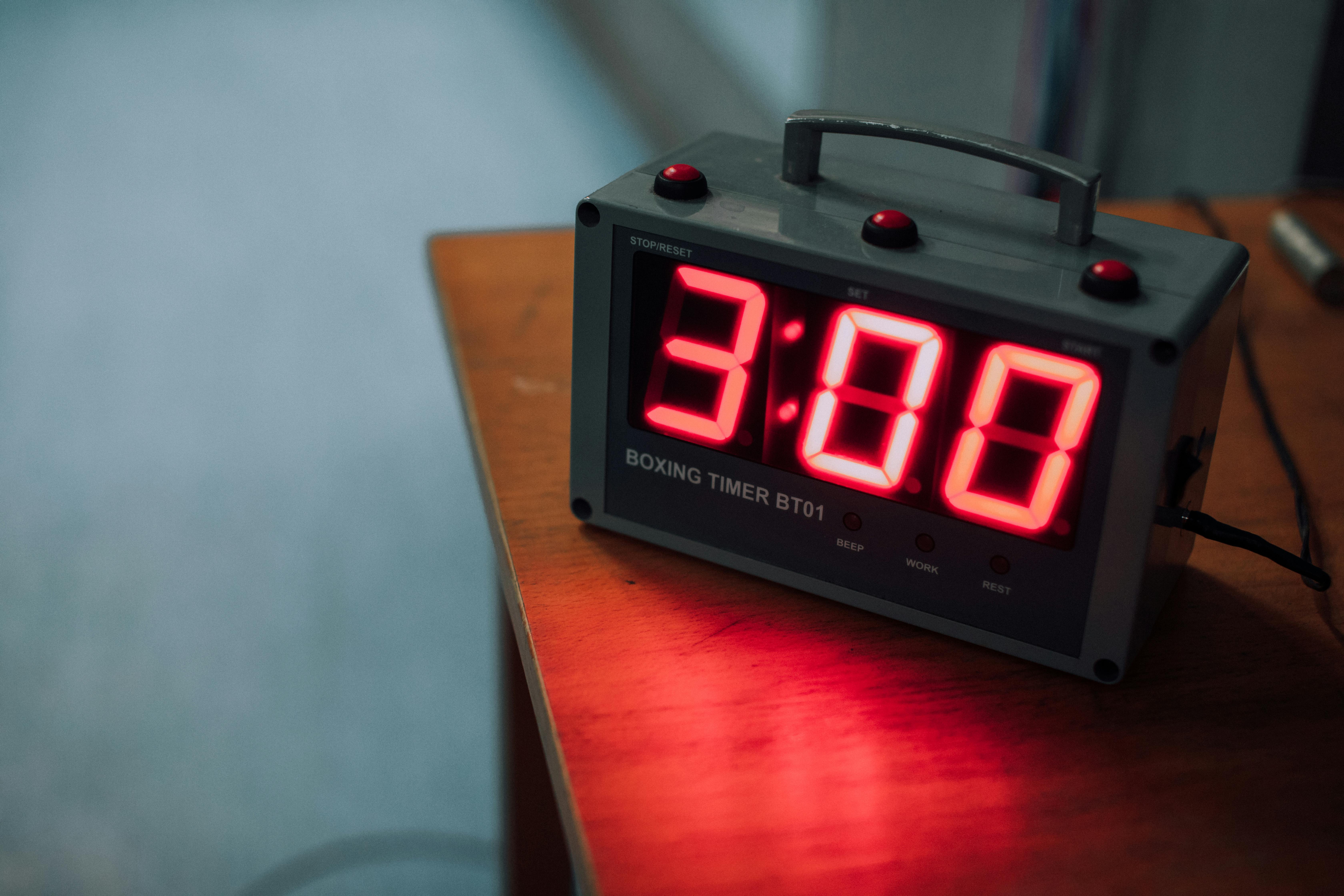
You have,
hours,
minutes,
seconds.
Usually just the last one.
And somehow, that can still be enough.
Lee Parker-Stapleton is a Director at Eyes and Ears
Header Photo by KoolShooters